What's the time?
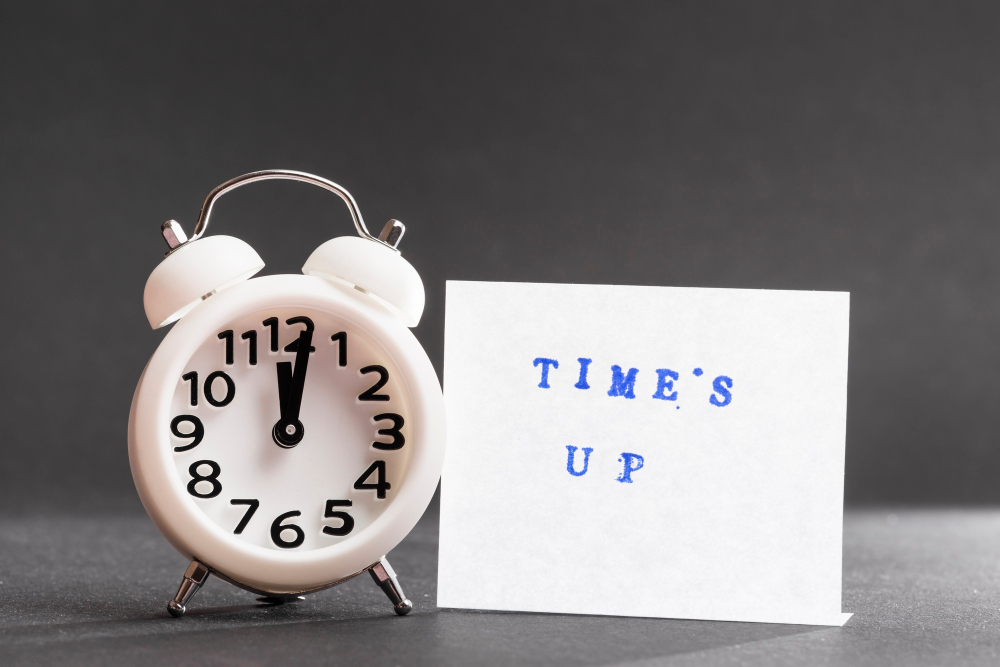
What time is it? / What's the time? - ¿Qué hora es?
We're going to explore how to express time in English. We know how to write the time using numbers, but you have to learn how to say it when speaking to someone. English often uses colloquial expressions to say the time, although there are some occasions in which we can read it in a more formal way.
When expressing the time in English, you can use either "It is" (It's) or the preposition "at" depending on the context:
- "It is" is often used when stating the exact time.
- What time is it? It is 3:30.
- Can you tell me time? It is 8:15."
- "At" is used when referring to a specific time at which something is happening.
- "The meeting is at 2:00."
- "I need to be at the airport at 6:45."
But how do we read the time in English?
When we write a specific time, we use numbers:
- 8:00 / 9:30 / 11:15 a.m. / 17:40 / 8:30 p.m. / etc. - A.M. = "Ante Meridiem" / P.M. = "Post Meridiem" (from Latin)
but we don't usually say "fifteen forty" or "eight thirty", unless we are talking about schedulled activities or timetables (lessons, flights, trains, etc).
We usually read the times as follows:
- It's three o'clock - 3:00 ("son las tres en punto").
- It's (a) quarter past three - 3:15 ("las tres y cuarto").
- It's half past three - 3:30 ("las tres y media").
- It's (a) quarter to four - 3:45 ("las cuatro menos cuarto")
- It's ten past four - 4:10 ("las cuatro y diez").
- It's ten to five - 4:50 ("las cinco menos diez").
These are the words we use to express the different times: O'CLOCK - - PAST/TO - (A) QUARTER PAST/TO - HALF PAST TO
It's easy, but be careful! In English the "minutes" go before the "hours" ("ten past five" - "las cinco y diez" / las diez y cinco)
¿necesitas ayuda?
Todos sabemos escribir la hora utilizando los números, pero tendremos que aprender cómo decirla cuando hablamos. En inglés, como en español, se suele decir la hora de manera coloquial, aunque hay ocasiones en las que podemos leerla de manera más formal.
Al expresar la hora en inglés, puedes usar "It is" (Es) o la preposición "at" según el contexto:
" It is " se usa para decir qué hora es. (Son las ...)
" At " se usa para referirse a la hora específica a la que ocurre algo. (La película empieza a las ...)
Como decíamos antes, cuando escribimos una hora específica, usamos los números:
8:00 / 9:30 / 11:15 a. m. / 17:40 / 8:30 p. m. / etc. - A. M. = "Ante Meridiem" (Antes del mediodía) / P. M. = "Post Meridiem" (Después del mediodía).
Pero generalmente no decimos "quince cuarenta" o "ocho treinta", a menos que estemos hablando de actividades programadas o horarios (clases, vuelos, trenes, etc.).
Por lo general, leemos las horas utilizando las siguientes expresiones:
o'clock - ... en punto
(a) quarter past / to - ... y / menos cuarto
half past - ... y media
past / to - ... y / menos ...
¡Es fácil, pero ten cuidado! En inglés, los "minutos" van antes de las "horas" ("ten past five" - "las cinco y diez" / las diez y cinco).