Lewis and Clark's Expedition
 Free Image on Getarchive
SHOWING THE WAY
|
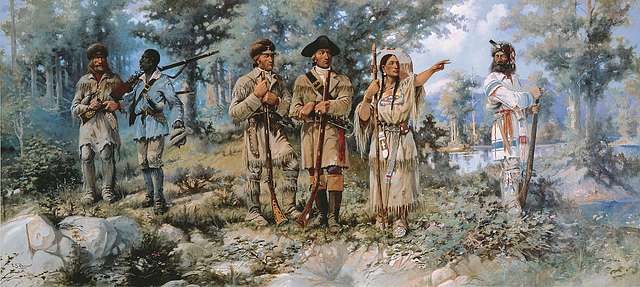
In the 18th century, parts of the USA belonged to France. But in 1803, France sold the USA a huge area of land west of the Mississippi River. The US President, Thomas Jefferson, wanted to know more about this land, so he sent two explorers, Lewis and Clark, to the area. Lewis and Clark started their journey in 1804. They travelled westward with a group of explorers and a dog named Seaman. During their expedition, Lewis and Clark found various challenges, including terrible weather conditions and unfamiliar terrains. However, they didn't let these obstacles stop their mission. In the 19th century, explorers got help from local guides. Lewis and Clark took a local Native American woman, Sacagawea, with them. Sacagawea knew the area well. She showed Lewis and Clark the best ways to travel and found things for them to eat in the forest. Many of the local people did not speak English, so she helped Lewis and Clark communicate with them. Sacagawea was an excellent guide. While exploring, Lewis and Clark documented their findings in journals. They drew maps and wrote about the plants and animals they discovered. The expedition faced friendly and unfriendly Native American tribes. Sacagawea played a crucial role in negotiating peaceful encounters with some tribes. In 1805, Lewis and Clark reached the Pacific Ocean, marking a significant achievement in their exploration. They built a fort named Fort Clatsop for winter shelter. The journey back to St. Louis in 1806 was also challenging, but with Sacagawea's guidance, the expedition successfully returned. Thomas Jefferson praised Lewis and Clark for their valuable contributions to understanding the newly acquired land. |
By using the Past Simple tense, the writer describes what happened during "Lewis and Clark's Expedition". By the end of this unit, you will be able to describe what happened in the past, historical or personal past events.
Read the text again and answer the questions in the tasks below.
¿necesitas ayuda?
El autor del texto utiliza el Pasado Simple para describir lo que ocurrió en la "Expedición de Lewis y Clark". Cuando termines la unidad, tú podrás también escribir sobre cualquier cosa que ocurrió en el pasado, ya sean hechos históricos o personales.
Lee el texto de nuevo y haz los ejercicios que tienes más abajo.